LOANS
Personal Loans for Fair Credit in the USA: How to Borrow Without Overpaying (2026 Guide)
Fair credit is an awkward place to be. Your score is not bad — you have paid bills, you have some history — but lenders do not treat you like a safe bet either. So when you apply for a personal loan in the USA, the offers that come back can look very different from the ones advertised on television. The low rate in the advert was never really for you. That does not mean borrowing is a bad idea. It means the comparison matters more for you than for almost anyone else.
What “fair credit” actually means
Most lenders in the US use FICO scores from 300 to 850. Fair credit is usually put at roughly 580 to 669, although some sources stretch it to 690. Two lenders can therefore call the same score by different names, which is one reason two offers can look so different. What matters is not the label. It is the rate, the fees, and the total amount you will repay.
Rates in this bracket are noticeably higher than for good credit. NerdWallet’s November 2026 averages, based on anonymised pre-qualification offers, put the estimated APR for fair-credit borrowers (630–689) at about 27.02%, against about 19.49% for good credit. Those are averages from one platform’s recent offers, not a promise from any lender — your own offer could be lower or higher. The point is the gap: a few percentage points on a loan of several thousand dollars is real money, not a rounding error.
A labelled example — read the total, not just the monthly payment
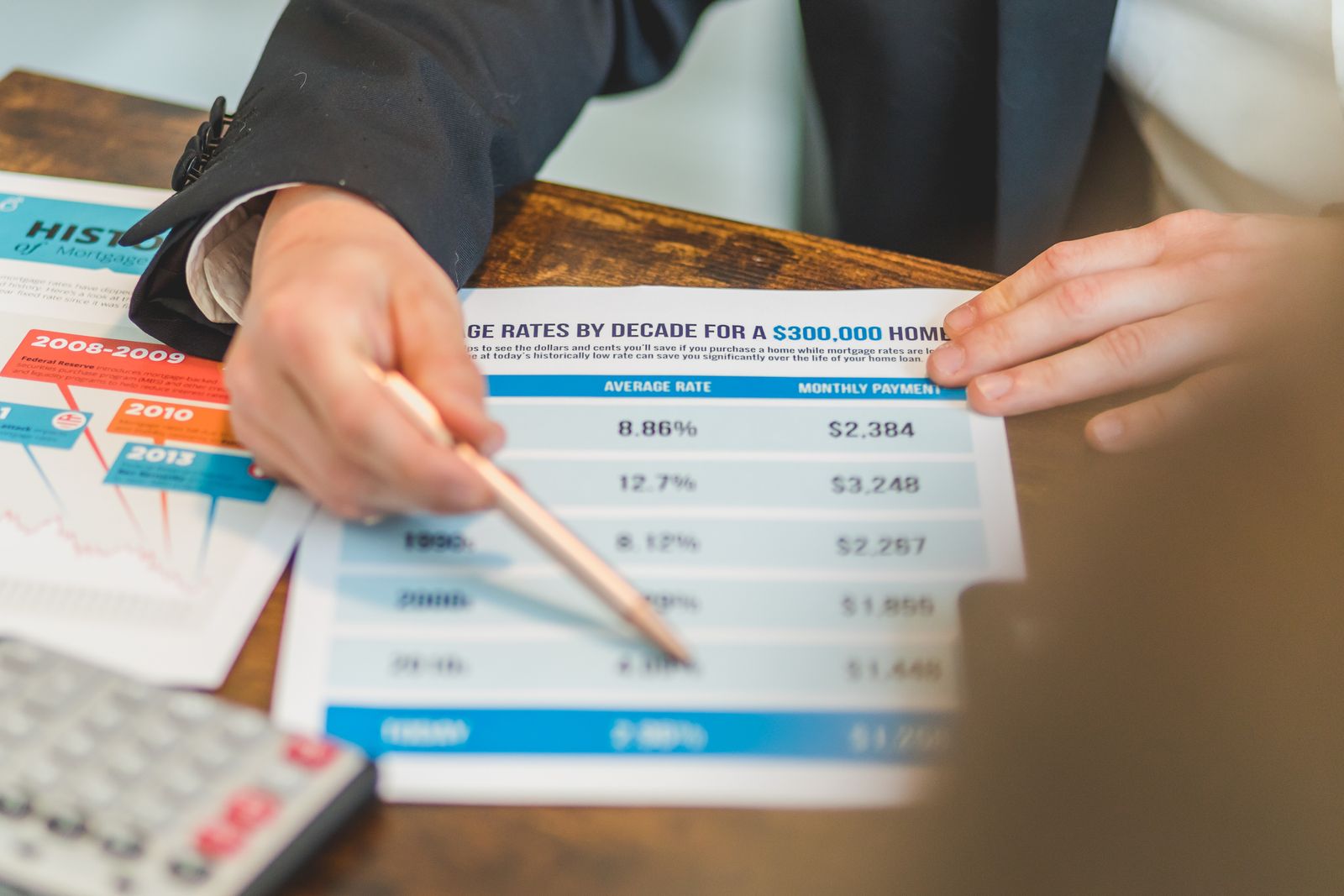
Suppose, purely as an example, you borrow $10,000 over 36 months.
- At 18% APR, the payment works out to about $362 a month, and you repay about $13,015 in total — roughly $3,015 in interest.
- At 27% APR, the payment is about $408 a month, and you repay about $14,697 in total — roughly $4,697 in interest.
Same loan, same term, about $1,682 more for the higher rate. That is why the first question to ask any lender is never just “what is my monthly payment?” It is “what is the APR, what fees are included, and what will I repay in total?” A smaller monthly payment stretched over a longer term can quietly cost more, even when it feels easier each month.
Where fair-credit borrowers usually find offers
Credit unions first, if you can join one. Federal credit unions cap personal loan rates at 18%, which is lower than many online lenders will offer in this bracket. Membership rules vary — some are tied to an employer, a place, or a community group — but joining is often simpler than people expect, and it is worth checking before you accept an online offer.
Online lenders second. Several online lenders specialise in fair credit and give a decision quickly, sometimes the same day. Their rates vary widely, from the high teens to the 36% ceiling many states effectively set for this kind of loan. Speed is their selling point; it should not be the reason you stop comparing.
Banks third, but do not skip them. A bank where you already hold an account may look at your whole relationship, not just the score. Its headline rates are aimed at stronger credit, but an existing customer with steady deposits can sometimes get a better answer than a stranger would.
Pre-qualification, where a lender gives you a rate estimate after a soft credit check, is your friend here. It lets you compare real numbers without a hard inquiry denting your score each time. A hard check usually comes later, when you formally apply.
Five mistakes that cost fair-credit borrowers the most
1. Taking the first approval. The first “yes” feels like a relief, especially if money is tight. It is still just one offer. Get at least three, in writing, with APR and fees side by side.
2. Ignoring the origination fee. Some lenders charge 1% to 8% of the loan upfront, deducted from what you receive. Borrow $10,000 with a 5% fee and only $9,500 lands in your account — while you repay the full $10,000. The APR should include the fee, which is exactly why comparing APRs, not interest rates alone, matters.
3. Borrowing more than the need. Approval for $15,000 does not mean $15,000 is the right amount. Every extra thousand at a fair-credit rate adds interest you could have avoided. Borrow the amount you actually need, and no more.
4. Choosing the longest term by default. A 60-month loan feels gentler month to month, but you pay interest for two extra years. If the monthly payment on a 36-month loan is manageable, the shorter term usually saves a meaningful amount.
5. Falling for “guaranteed approval” claims. No legitimate lender guarantees approval before checking anything. Claims like that are a warning sign, and any lender asking for a fee before you receive the money should be walked away from.
Can a personal loan help your credit?
It can, but only in a narrow way. A personal loan adds a different type of credit to your file, and on-time payments build a positive history. If you use it to pay off high-interest credit card balances, your card utilisation falls, which can help your score. None of that happens automatically. A missed loan payment hurts just as a missed card payment does, and a new loan taken on top of existing debt, rather than replacing it, can make things worse. Treat credit improvement as a possible side effect, never as the reason to borrow.
A short checklist before you apply
- Check your credit report for errors first — a wrong late payment or an account that is not yours is worth disputing before you apply, not after.
- Decide the exact amount and the term you can afford, and write both down.
- Pre-qualify with a credit union, an online lender, and your own bank if possible.
- Compare APR, origination fee, late-payment fee, and total repayment — not just the monthly figure.
- Read the prepayment rule: a good loan lets you pay it off early without a penalty.
- Never pay an upfront fee to “secure” a loan.
The honest bottom line
Fair credit does not shut you out of personal loans in the USA, but it does change the job. Your task is not to find any lender who says yes. It is to find the cheapest yes, from a lender you can check, on terms you can actually repay. The credit union cap, the pre-qualification comparison, and the total-repayment figure are the three tools that do most of the work. Use them before you sign anything, and keep the signed offer — if a lender’s final terms differ from the pre-qualification, that is a reason to pause, not to hurry.
Rates and averages quoted here are market estimates that change over time and vary by lender, state, and individual circumstances. This guide is general information, not financial advice and not a loan offer. Always compare the actual offer made to you before borrowing.
FAQ
What credit score counts as fair for a personal loan?
Roughly 580–669 on the FICO scale, though some lenders extend fair up to about 690. The exact band varies by lender.
Can I get a personal loan with fair credit and no collateral?
Yes — most personal loans for fair credit are unsecured, meaning no collateral is required. The trade-off is a higher APR than a secured loan.
Does pre-qualifying hurt my credit score?
Pre-qualification normally uses a soft credit check, which does not affect your score. A formal application usually involves a hard check, which can lower it slightly for a time.
Is a credit union really cheaper for fair credit?
Often, yes. Federal credit unions cap personal loan rates at 18%, below the ceiling many online lenders use. State credit union caps vary by state, so check the specific credit union’s terms.
Should I take a longer term to lower my monthly payment?
Only if the shorter term is genuinely unaffordable. A longer term lowers the monthly payment but raises the total interest paid over the life of the loan.
Related reading: Car Loans for Bad Credit in the USA: How to Get Approved Without Overpaying (2026 Guide) and Cheap Car Insurance in the USA: 12 Proven Ways to Lower Your Premium (2026 Guide)
